
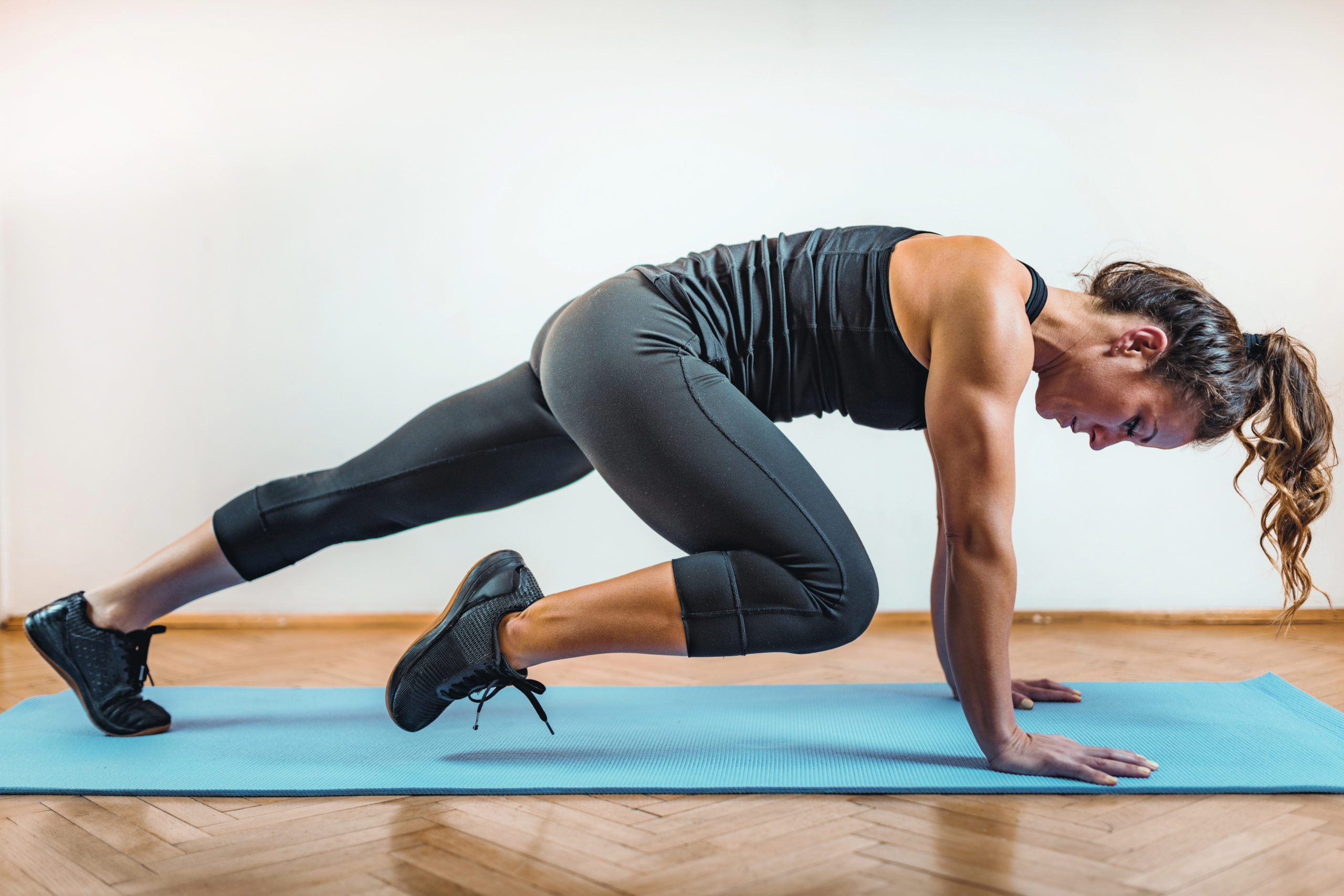
If you’re looking for maximum results in minimal time, HIIT workouts for beginners are one of the most effective training methods available. In today’s fast-paced world, efficiency matters—and High-Intensity Interval Training (HIIT) delivers measurable fitness improvements without requiring hours in the gym.
At Odyssey Fitness Center in Wilkes-Barre and nearby areas, HIIT has become a go-to solution for members who want structured, results-driven workouts that fit into busy schedules. Whether your goal is fat loss, improved conditioning, or overall fitness, HIIT provides a scalable and proven approach. Our personal trainers in Wilkes Barre can help. Contact us today
What Is HIIT and Why Does It Work?
HIIT, or High-Intensity Interval Training, is a structured workout method that alternates between short bursts of intense effort and controlled recovery periods.
A simple example:
- 20–40 seconds of high-intensity work
- 20–60 seconds of rest or low-intensity movement
This pattern is repeated over a 15–30 minute session.
From a physiological standpoint, HIIT is effective because it:
- Elevates heart rate quickly
- Maximizes calorie burn in a short time
- Creates an “afterburn effect” (EPOC), where your body continues burning calories post-workout
- Improves both aerobic and anaerobic fitness
For beginners, the key is that intensity is relative. You control how hard you push, making HIIT accessible at any fitness level.
Benefits of HIIT Workouts for Beginners
When properly structured, beginner HIIT routines offer several advantages over traditional steady-state workouts:
Time Efficiency
You can achieve a highly effective workout in 20–30 minutes, making it ideal for professionals and parents with limited time.
Faster Cardiovascular Improvements
HIIT improves heart health and endurance more rapidly than moderate-intensity training alone.
Increased Fat Loss Potential
Due to its intensity and metabolic impact, HIIT is highly effective for fat loss when combined with proper nutrition.
Scalability
Exercises and intensity can be adjusted based on your current fitness level, making it suitable for true beginners.
Reduced Workout Boredom
Short intervals and varied movements keep workouts engaging and mentally stimulating.
How Beginners Should Approach HIIT
One of the most common mistakes beginners make is treating HIIT like a competition. The goal is not to go “all out” immediately—it’s to build capacity over time.
As a fitness professional, I recommend:
- Starting with moderate intensity (60–70% effort)
- Prioritizing form over speed
- Allowing adequate recovery between intervals
- Limiting sessions to 2–3 times per week initially
This approach reduces injury risk while still delivering results.
Beginner HIIT Routine (Gym-Based)
This beginner HIIT routine is designed to be performed at a full-service facility like Odyssey Fitness Center, using accessible equipment.
Warm-Up (5 Minutes)
- Treadmill walk or light jog
- Dynamic stretches (leg swings, arm circles, hip openers)
Main Workout (20 Minutes)
Perform 4 rounds of the following:
- Bodyweight Squats – 30 seconds
- Rest – 30 seconds
- Push-Ups (modified if needed) – 30 seconds
- Rest – 30 seconds
- Rowing Machine Sprint – 30 seconds
- Rest – 60 seconds
Cool Down (5 Minutes)
- Slow walking
- Full-body stretching
This structure introduces intensity without overwhelming a beginner.
Alternative Beginner HIIT Routine (Low Impact)
For those easing into fitness or managing joint concerns:
- Stationary Bike (moderate pace) – 40 seconds
- Rest – 40 seconds
- Step-Ups – 30 seconds
- Rest – 30 seconds
- Battle Ropes (light intensity) – 20 seconds
- Rest – 60 seconds
Repeat for 3–4 rounds.
This version reduces impact while still delivering cardiovascular benefits.
Why a HIIT Class for Beginners Can Help
While solo workouts are effective, many beginners benefit from structured guidance. A HIIT class for beginners provides:
- Coaching on proper form and pacing
- Pre-programmed workouts
- Built-in motivation from group energy
- Accountability
At Odyssey Fitness Center, group classes are designed to accommodate all fitness levels, allowing beginners to participate while scaling intensity appropriately.
👉 View available options here: Group Classes Schedule
Common Mistakes Beginners Make with HIIT
Understanding what to avoid is just as important as knowing what to do.
Going Too Hard Too Soon
Beginners often push to maximum intensity immediately, leading to burnout or injury.
Skipping Recovery
Recovery periods are essential for performance and safety.
Poor Form Under Fatigue
As intensity increases, form often breaks down. This increases injury risk and reduces effectiveness.
Doing HIIT Too Frequently
More is not better. Recovery days are necessary for adaptation.
How Often Should Beginners Do HIIT?
From a programming standpoint, 2–3 sessions per week is ideal for beginners. This allows:
- Adequate recovery
- Consistent progression
- Reduced injury risk
HIIT should complement, not replace, other forms of training like strength work and mobility.
Integrating HIIT into a Complete Fitness Plan
For optimal results, HIIT should be part of a balanced program that includes:
- Strength training (2–3 days per week)
- Moderate cardio or active recovery
- Flexibility and mobility work
At Odyssey Fitness Center, members have access to all of these components in one location, making it easier to build a complete, sustainable routine.
Why HIIT Works Well at Odyssey Fitness Center
The environment you train in matters. Odyssey provides several advantages for HIIT training:
- Wide variety of cardio equipment (rowers, assault bikes, treadmills)
- Open space for functional training
- Group classes for structured HIIT sessions
- Flexible hours to fit your schedule
For members in Wilkes-Barre and nearby areas, this makes it easier to stay consistent and progress safely. Sign up today and consult with one of our personal trainers in Wilkes Barre.
Frequently Asked Questions About HIIT Workouts for Beginners
How often should a beginner do HIIT?
Beginners should aim for 2–3 HIIT sessions per week, allowing at least one day of recovery between workouts. This frequency provides enough stimulus to improve cardiovascular fitness and burn calories while minimizing the risk of overtraining. It’s important to listen to your body and adjust intensity as needed. Over time, as your conditioning improves, you can gradually increase intensity or duration, but consistency should always be prioritized over frequency.
Do I need to be in shape to start HIIT?
No, HIIT can be adapted to any fitness level. The key principle is that intensity is relative to your current ability. Beginners can start with lower-impact movements, slower pacing, and longer rest periods. As your fitness improves, you can increase intensity and reduce recovery time. Starting at an appropriate level ensures safety, builds confidence, and creates a foundation for long-term progress without unnecessary risk of injury.
How long should a beginner HIIT workout be?
A beginner HIIT workout should typically last between 15–30 minutes, including warm-up and cool-down. The effectiveness of HIIT comes from intensity, not duration, so shorter sessions are often more beneficial than longer, less focused workouts. Keeping workouts concise also improves adherence, especially for individuals with busy schedules. As your conditioning improves, you can increase the number of intervals or rounds rather than extending total workout time significantly.
Is HIIT good for weight loss?
Yes, HIIT is highly effective for weight loss due to its ability to burn a significant number of calories in a short period and elevate metabolism after the workout. However, results depend on consistency, proper nutrition, and overall activity levels. HIIT should be part of a comprehensive fitness plan that includes strength training and healthy eating habits. When used correctly, it can accelerate fat loss while preserving lean muscle mass.
Are HIIT classes good for beginners?
Yes, a well-structured HIIT class for beginners is an excellent way to start. These classes provide professional guidance, structured programming, and a supportive environment. Instructors can help modify exercises based on your fitness level, ensuring both safety and effectiveness. Additionally, the group setting often improves motivation and accountability, making it easier to stay consistent and push yourself appropriately without overdoing it.